On June 26, 2026, Nigeria redefined how the identities of its citizens are managed and used nationwide. The National Identity Management Commission (NIMC) Act 2026 was signed into law, repealing the 2007 NIMC Act and establishing a more inclusive digital identity framework for Nigerians. The new law streamlines identity verification across government agencies, financial networks, and private institutions. The core goal is to assign a unique, national identifier to expand access to credit, simplify individual verification, and strengthen privacy protections. As global systems shift towards digital infrastructure and frameworks, Nigeria’s transition to a unified digital identity is both critical and timely. However, two core questions remain: how will small and medium-sized businesses benefit from this system, and what does the broader economy stand to gain?
Before The 2026 Identity Act
The 2026 Act repealed Nigeria’s 2007 National Identity Management Commission (NIMC) Act, which had itself repealed the now-defunct Department of National Civic Registration. The 2007 framework established the National Identity Management Commission (NIMC) to manage the national identity database, assign unique National Identification Numbers (NINs), and issue General Multi-Purpose Cards (GMPCs) to every Nigerian and legal resident. To accelerate adoption, the Nigerian Communications Commission (NCC) mandated the linkage of NINs to all SIM cards in 2020, following a federal government directive. The aim was to ensure every phone number is traceable to a verified identity number, enabling easy identification of bad actors involved in fraudulent or criminal activities. Telecom providers faced licence revocation for non-compliance, and unlinked SIM cards were barred by the deadline. This policy triggered a massive spike in NIN registrations: jumping from 5.84 million in 2019 and 5.02 million in 2020 to over 27 million in 2021. By 2024, the NCC confirmed that the linkage process was complete, with every phone number successfully tied to an NIN.
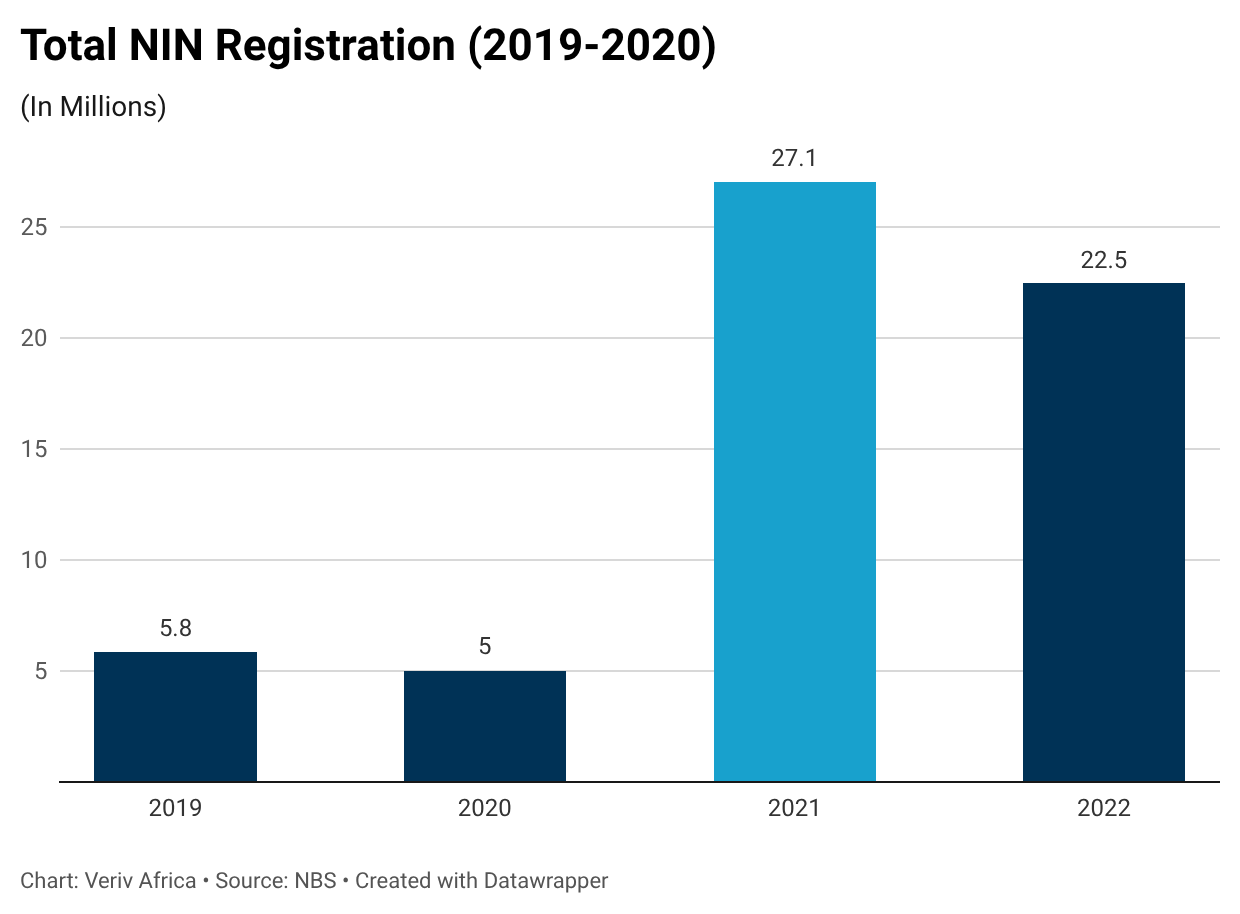
Figure 1: Total NIN Registration (2019-2022)
Source: NBS Report 2022 & 2023
Similarly, the CBN released a circular in 2023 mandating the linkage of NINs and Bank Verification Numbers (BVNs) to consolidate customer records and curb financial crimes. This move expanded the BVN database records to 67.8 million by 2025, while NIN enrollment hit 123.9 million in October of the same year. The 2025 tax laws cemented this system by adopting the NIN as official Tax IDs for individuals, while registered companies use their CAC RC number. Together, these regulatory shifts aimed to build an integrated national identification database across the private and public sectors to expand credit access, trace illicit transactions, and broaden the tax base.
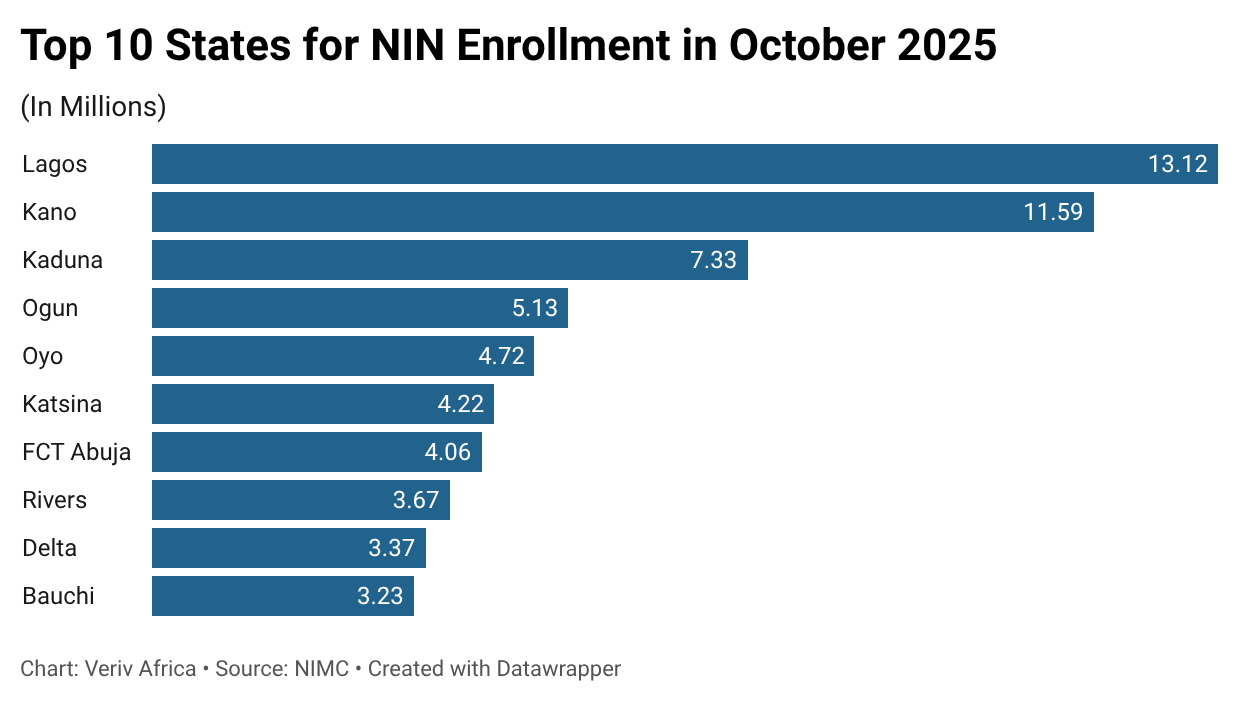
Figure 2: Top 10 States for NIN Enrollment in October 2025
Source: NIMC
Despite these aggressive enforcement measures, structural inclusion gaps persist. A 2023 survey found that, among about 111 million respondents, 32 million (29.7%) still lacked NINs. This deficit disproportionately impacts low-income populations: only 57.1% of the poorest respondents had identity numbers compared to 86.8% among higher-income demographics. Nigerians living in rural areas often have to travel long distances to locate NIMC enrollment offices, or pay in third-party cybercafes for registration services that should be free. Nigeria’s generally poor internet connectivity, sparse NIMC offices, and lack of public awareness continue to leave these communities marginalised.
Furthermore, a robust, accessible digital identity infrastructure is essential to achieving full financial inclusion in Nigeria. Nigerians need their NINs to have active SIM cards, bank accounts, and access formal credit. In 2024, Nigeria recorded 11 billion transactions; however, 26% of adults were excluded financially, with 37% in rural areas and 47% in Northern Nigeria. The CBN’s Fintech Policy Insight Report highlighted limited digital identity verification access, interoperability bottlenecks across digital platforms, and poor credit history data as the primary drivers of this exclusion. While the 2007 NIMC Act effectively laid the initial groundwork for national digital identity, deeper institutional reforms were necessary to bridge these gaps and expand financial access for marginalised Nigerians.
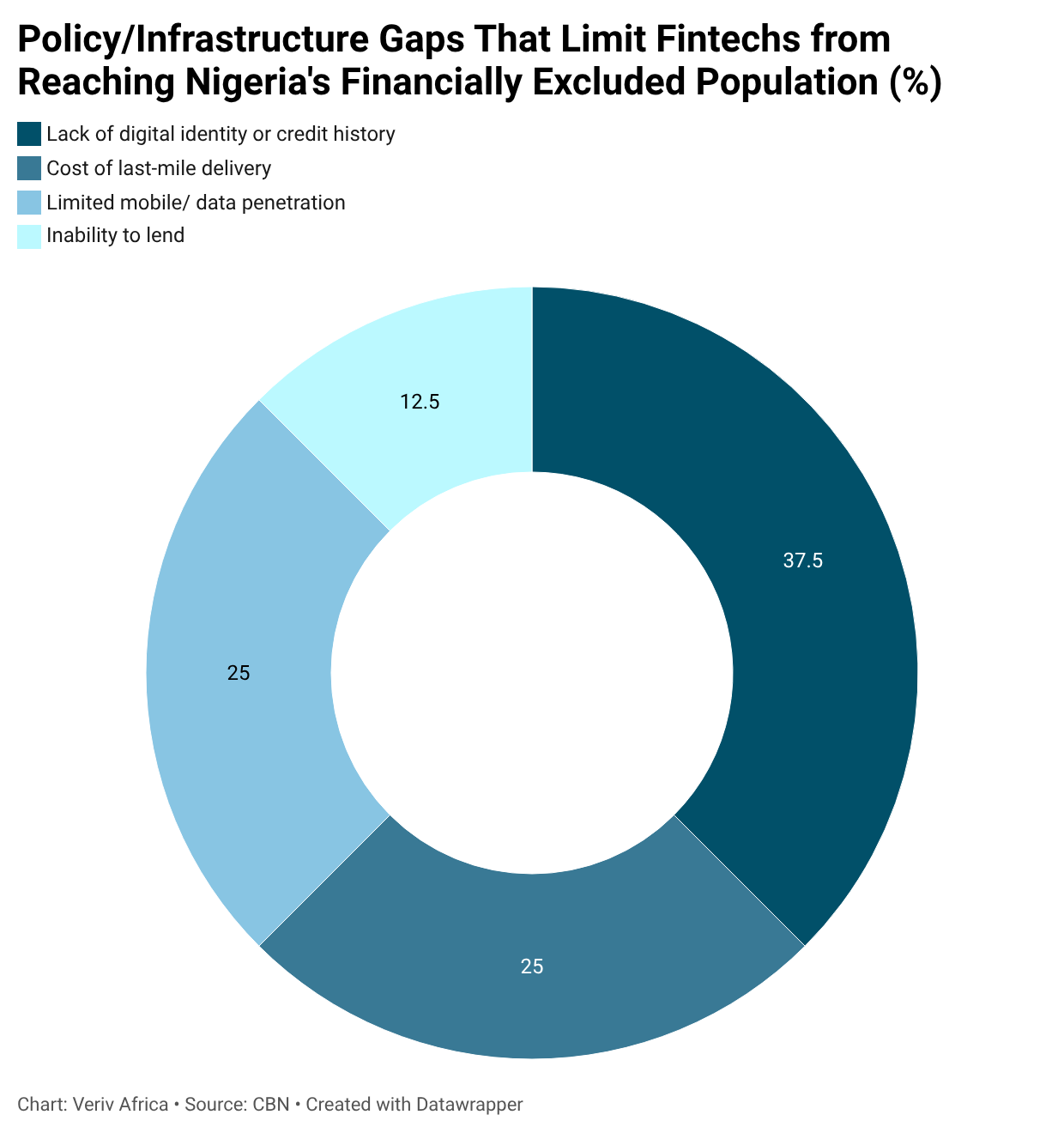
Figure 3: Policy/Infrastructure Gaps that Limit Fintechs from Reaching Nigeria’s Financially Excluded Population
Source: CBN
The 2026 NIMC Act
The 2026 Identity Act repealed the 2007 Act, building directly on the foundational infrastructure laid over the past two decades. Its core aim is to bridge the gaps created by the former and drive nationwide inclusion. The new reform presents a stronger digital system by designating the NIMC as the root certification authority for Nigeria’s National Public Key Infrastructure (PKI) and Digital Public Infrastructure (DPI). Put simply, the NIMC now oversees the overarching digital framework that secures every digital signature, encrypted government document, financial transaction, and identity verification across the country. This creates a centralised digital system that connects and streamlines every individual's identity across private and public organisations. The NIN is now established as the primary, legally binding identity credential, enforcing a one-number-one-individual identification system. The Act also cements mandatory NIN verification across key services, including international passport issuance, voter registration, banking, land transactions, telecoms, pensions and tax payments.
The Act prioritises data protection by aligning directly with the Nigeria Data Protection Act (NDPA), ensuring that personal information is accessed and processed strictly for authorised purposes. To safeguard the system, only software approved and certified by the NIMC can access the database, raising the standard for transparency and institutional accountability. The law also introduces stricter penalties for identity crimes, including a minimum five-year prison sentence. Overall, the 2026 Act strengthens Nigeria’s digital identity architecture, streamlining identity verification while enhancing individual privacy and institutional security.
How Will The Act Expand Access to Credit?
Nigerian micro, small and medium enterprises (MSMEs) face a huge financing gap. According to a Stears report, MSMEs face a $236 billion funding gap, with only 4% of Nigeria’s 40 million small businesses securing formal bank loans. Nigeria’s MSMEs generate over 46.32% of GDP and employ 87.9% of Nigeria’s workforce. This huge finance gap undermines business growth and stifles broader economic growth. Commercial banks and other financial institutions are risk-averse, largely avoiding MSME financing due to incomplete credit histories, identity fragmentation, and duplicated digital identity records that make assessing creditworthiness difficult.
The 2026 Identity Act confronts this structural issue by binding a single identification number to key services nationwide, including formal banking and financial services. Enforcing a strict one-person, one-identity system streamlines and reduces the cost of the Know Your Customer (KYC) verification process. By giving lenders direct access to NIMC’s database, the law provides reliable, verified data on borrowers. Before this Act, financial institutions struggled with duplicate identities across different systems, mismatched identity information, ghost borrowers, and loan recycling across multiple lenders. The Act addresses these issues with the centralised system.
Beyond ensuring access to customer information, the Act creates a viable alternative to existing documentation requirements. Many lenders, including grants and low-interest interventions sponsored by the government, often require multiple documents such as proof of residence (utility bills), proof of identity, and collateral documents such as land ownership documents. These multiple requirements discouraged borrowers, especially low-income borrowers and rural dwellers who often lacked water and electricity, and therefore could not produce these aforementioned documents. With a stronger NIN and assurance of traceability, lenders could gradually relax the proof-of-residence requirements, thereby expanding access to credit for MSME owners, especially those in the informal sector.
By embedding NINs across phone numbers, bank accounts, international passports, and other relevant information, the Act establishes a dynamic compliance system that discourages loan defaulters and lowers risk profiles for institutional lenders. With increased access to credit and financial services, the Act addresses a structural issue in Nigeria’s economy. This will, in the long run, contribute to closing Nigeria’s MSME funding gap and catalyse economic growth, enabling small businesses to expand and create job opportunities.
The 2026 NIMC Act is a timely and vital reform, establishing a centralised digital identity framework that streamlines verification across public and private sectors. By building a single source for identity data, the law addresses structural barriers to credit access, reduces KYC costs for financial institutions, and drives economic growth. However, the digital framework is only as effective as its reach. For the Act to deliver its full potential, NIMC must prioritise closing the inclusion gap among low-income populations. The NIMC must ensure that Nigerians residing in rural areas can obtain their NINs without financial extortion and travel. The one-person, one-identity system has great potential, but it must capture every Nigerian citizen and legal resident. If this issue is addressed, the Act can unlock full financial inclusion, bridge the MSME funding gap, and drive economic growth in Nigeria.
References
Akintaro, S. (2025, December 23). FIRS says NIN is now automatically Tax ID for Nigerians.
Nairametrics. https://nairametrics.com/2025/12/23/firs-says-nin-is-now-automatically-tax-id-for-nigerians/
CBN. (2026). Shaping The Future of Nigeria’s Fintech in Nigeria: Innovation, Inclusion and
Integrity. https://www.cbn.gov.ng/Out/2026/CCD/CBN_FINTECH_REPORT_.pdf
CRC Credit Bureau. (2026, July 2). What the NIMC Act 2026 Means for Credit in Nigeria.
https://crccreditbureau.com/blog/what-the-nimc-act-2026-means-for-credit-in-nigeria/
Dan-Awoh Deborah. (2024, March 1). NIN/BVN Linkage: Nigerians lash out over CBN’s
directive. Nairametrics. https://nairametrics.com/2024/03/01/nin-bvn-linkage-nigerians-lash-out-over-cbns-directive/
Ibeh, R. (2026, June 3). 127m NINs later, Nigeria still faces digital identity usage gap. Business Day NG.
Inclusion for All. (2024). Link between poverty and NIN ownership. https://doi.org/10.8%
Lawal, S. (2026, June 28). NIMC Act 2026: 19 things Nigerians must know about the new ID
law. Within Nigeria. https://www.withinnigeria.com/2026/06/28/nimc-act-2026-19-things-nigerians-must-know-about-the-new-id-law/
NIMC. (2025). Enrolment Dashboard October 2025.
https://nimc.gov.ng/nin/enrolment-report/october-2025
NIMC. (2007). National Identity Management Commission Act, 2007
Ojoko, I. (2025, July 29). NCGC: 80% of Nigerian MSMEs lack formal credit access amid
rising economic pressures. Nairametrics. https://nairametrics.com/2025/07/29/ncgc-80-of-nigerian-msmes-lack-formal-credit-access-amid-rising-economic-pressures/
Olaleye, A. A., & Oyedeji, S. (2024, December 17). Digital Identity: Millions Of Nigerians In
Rural Areas Still Lacking National Identification Number. Sahara Reporters. https://saharareporters.com/2024/12/17/digital-identity-millions-nigerians-rural-areas-still-lacking-national-identification
PwC. (2024, November 5). PwC’s MSME Survey 2024.
https://www.pwc.com/ng/en/publications/strategies-for-msme-success.html
Stears. (2024). MSME lending in Nigeria, Ghana and Kenya: full report.
https://www.stears.co/article/special-report-the-african-msme-advantage/
Temitope-Adesope Taiwo. (2023, December 13). What to know about new CBN directives
on BVN, NIN. Naira Compare. https://nairacompare.ng/blogs/general/what-to-know-about-new-cbn-directives-on-bvn-nin